F. Max Müller
1823 - 1900
Dessau, Duchy of Anhalt, Germany
Biography
Friedrich Max Müller was one of the most influential scholars of the 19th century, a towering figure in the fields of comparative philology, mythology, and religion. Though he never visited India, his work did more than perhaps any other single scholar’s to bring Sanskrit literature to Western attention.
The Rig Veda Edition
Müller’s crowning achievement was his critical edition of the Rig Veda with Sayana’s Sanskrit commentary, published in six volumes between 1849 and 1874. This monumental work, sponsored by the East India Company, made the oldest Hindu scriptures accessible to European scholars for the first time in a reliable text.
Advocacy for India
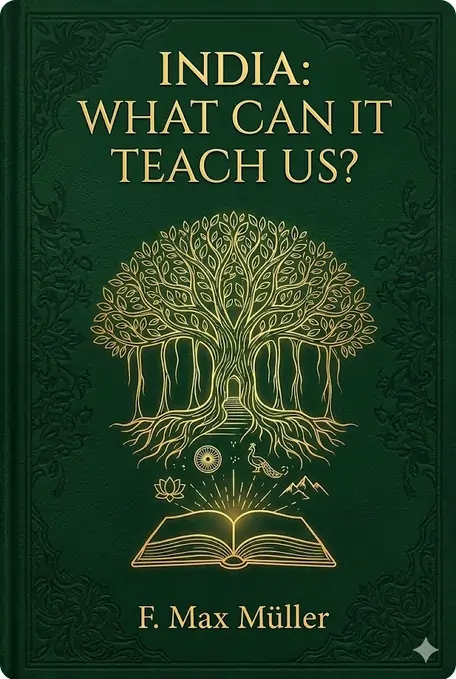
Unlike many Victorian scholars who approached India with colonial condescension, Müller was a passionate advocate for Indian civilization. In his Cambridge lectures India: What Can It Teach Us? (1883), he argued eloquently that Sanskrit studies should be central to liberal education, defended the character of Hindus against colonial slanders, and revealed the profound lessons Vedic literature could teach the West.
Comparative Religion
Müller was a pioneer in the scientific study of religion. He edited the monumental Sacred Books of the East series (50 volumes, 1879-1910), which translated key texts from Hinduism, Buddhism, Zoroastrianism, Islam, and other Eastern religions. His lectures on the science of religion helped establish comparative religion as an academic discipline.
Legacy
Müller’s work profoundly shaped Western understanding of India. His translations, editions, and popular writings introduced generations of readers to Vedic hymns, the Upanishads, and the Buddha’s teachings. While some of his theories have been superseded, his passion for Sanskrit and his belief in the shared heritage of Indo-European peoples remain influential.
Timeline
Birth in Dessau
Born in Dessau, Germany, son of the poet Wilhelm Müller
Moved to England
Settled in England to work on a critical edition of the Rig Veda
Oxford Appointment
Appointed deputy Taylorian Professor of modern European languages at Oxford
Completed Rig Veda Edition
Completed his monumental six-volume edition of the Rig Veda with Sayana's commentary
Boden Professorship Candidacy
Narrowly lost election for the Boden Chair of Sanskrit to Monier-Williams
India: What Can It Teach Us?
Delivered lectures at Cambridge advocating for Sanskrit studies in civil service education
Passing
Died in Oxford, leaving an immense scholarly legacy